Internet Counselling & Online Therapy

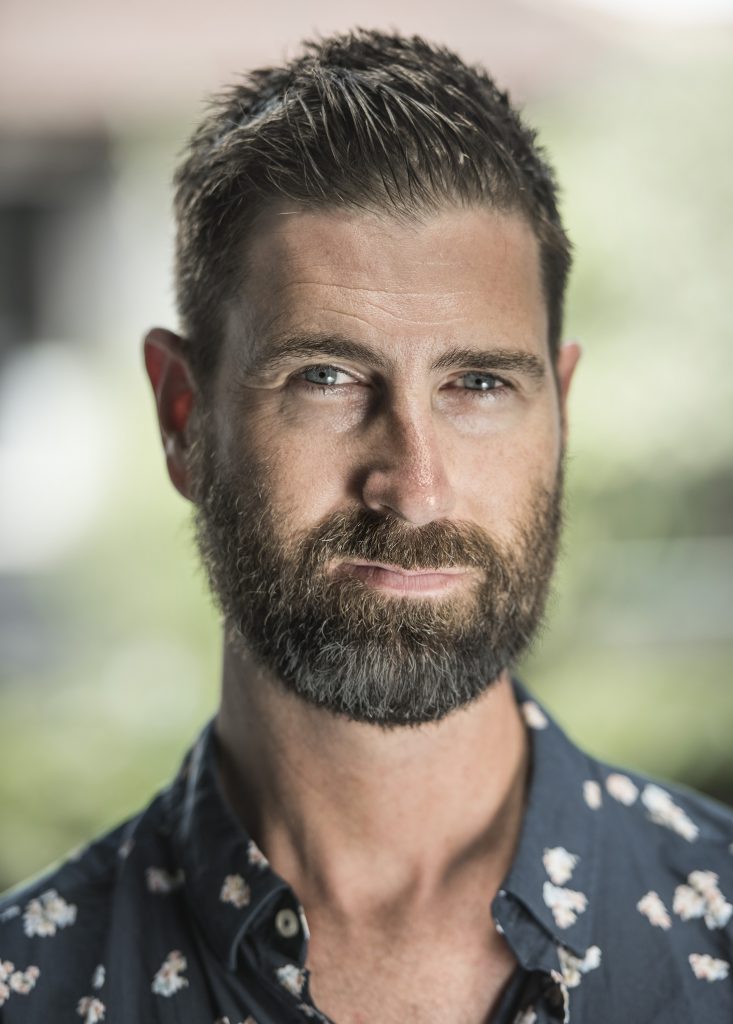
Hello there! I’m Ash Rehn, counsellor and therapist at Forward Therapy. Please take a look around the site and discover how counselling and therapy over the Internet can be confidential, comfortable and so much more convenient.

Watch a short video here


Find online therapists, coaches and counsellors at Therapy Market

Posted in Online Counselling | Tagged , | Leave a comment

Therapy and Treatment for Gay Mens Depression

gay depressionIs Depression more common amongst gay men?

I often see this question or similar in counselling forums on Facebook and elsewhere on the net. And as a mental health counsellor who has worked with gay men for much of my career, it’s tempting to jump in with an answer. But what concerns me is what the answer to this question might mean for those asking or reading it. What effect does it have on us as individuals if we develop the idea we are more prone to depression? And how might we start thinking of our gay identity if we begin to believe in some kind of collective depression?

Depression is a very general word for a huge range of conditions. More to the point, it is largely considered a health issue these days when it also might be related to existential questions, life transition, burnout or adjustment to new life circumstances.

Email me now for a private consultation

Now I don’t want to suggest that we should not be concerned about health if we are, or someone else we know is, feeling depressed. But there is a long history of lesbians and gay men being viewed as disordered in some way, especially by the medical and psychiatric professions (I call it being ‘pathologised’). And while the idea that gay sexuality is a disease might be on the way out, there is still a tendency to look for and see abnormalities in gay men. This can be a self-fulfilling prophecy: we look for evidence of depression and we find it!

The Facts about Gay Depression

There is some research evidence that, currently, lesbians and gay men do present with higher rates of depression and mental health problems than people who do not identify as lesbian or gay. However, that’s not to say there’s anything about same-sex orientation that causes depression. For example, studies show that lesbians and gay men receive more improper treatment and discrimination from mental health professionals than general populations. If your doctor or therapist is treating you badly, it is not surprising that you might not get well! For the most part, science and common sense now prevails in countries like Australia, the UK, Canada and most of Europe. Psychologists, psychotherapists and doctors in those places – with a few exceptions – are generally now of the opinion that same sex desire and attraction is ‘natural and normal’. But misunderstanding, insensitivity and bad practice continue. We develop as adult gay men in a society with many informal rules and attitudes prejudiced against gay sexuality. Is it any wonder that the mental health of some lesbians and gay men suffers as a consequence?

At the same time, there is no common biological or genetic cause for depression that is unique to gay men or lesbians. I would propose that if we lived in a world without such strong gender roles, where our same sex sexual attraction and desire was considered as equal to heterosexual attraction and desire, there would be no differences in the rates of depression or anxiety between gay, bisexual or straight people. I’d like to think we are working towards a time like that.

In the meantime, it is just as important to understand the protective factors for gay mental health as the so called risk factors. When health is the focus, it is not surprising that a visit to a GP is often the first response for someone who is depressed. Doctors are concerned mostly with drug therapy including the prescription of medication like SSRIs. These include, for example, citalopram (trade names Cipramil, Celexa etc); escitalopram (trade names Lexapro etc); fluoxetine (trade names Prozac etc) and sertraline (Zoloft, Lustral etc).  But many people who have been prescribed anti-depressants do not know that best practice for medication treatment of depression is a combination of treatment that includes talk therapy. Doctors usually refer to counsellors or therapists for talk therapy that might take the form of CBT (Cognitive Behaviour Therapy), other forms of psychotherapy such as narrative therapy or counselling for depression or anxiety. The important thing is that medication alone may not be enough – it might not even be required – and patients should at least be offered talk therapy. Gay patients should always be offered a gay-friendly counsellor, for example, a Medicare practitioner available for gay clients or a private therapist for gay men.

Non-drug Treatment for Gay Men’s Depression

I always felt I didn’t fit in …

I never felt that I was cool enough or funny enough or good looking enough

It’s important to talk about problems. Sounding them out with an understanding gay counsellor can also be a way through our difficulties. It’s by talking about ourselves and our relationship to others that we get a sense of who we are, our identity. Research shows that development of positive identity for gay and lesbian people leads to adjustment and life satisfaction*1.  An understanding gay therapist can help you start making connections and developing relationships with other gay men. Gay people who participate in activities with others enjoy higher levels of psychological well-being. Peer support is important when coming out as a gay man whether you are a teenager, middle aged gay guy or older gay man who has been married.

Times are changing. Just 6 years after his own experiences of homophobia as a schoolboy, Dr Mark McCormack returned to 3 British high schools to research teenage boys attitudes towards homosexuality*2. He expected lots of homophobia but found hardly any. Instead he found that boys were no longer expressing their heterosexual identities through homophobia & homophobic language, but through being inclusive of their gay peers and proud of their pro-gay attitudes. He found that being a gay teen did not not negatively affect a boy’s popularity, but being homophobic did. In the schools he examined, he found that boys were able to develop meaningful and loving friendships across social groups.

So let’s not write off the entire lesbian and gay population as at risk of depression! Let’s talk about our common experiences and share our personal stories with those who are willing to listen and support us. I work as an online therapist and counsellor for gay men and others. If you would like to discuss your circumstances or experiences with depression, contact me today and make an appointment.

*1. Hunter, Ski (2005) Midlife and Older LGBT Adults: Knowledge and Affirmative Practice for the Social Services. Binghamton, Haworth.

*2. McCormack, Mark (2012) The Declining Significance of Homophobia: How Teenage Boys are Redefining Masculinity and Heterosexuality. New York: Oxford University Press.

Posted in Anxiety, Coming Out, Depression, Gay and Lesbian, Sexuality | Tagged , , , , , , , , , | Leave a comment

Recovering Your Life After Separation

Cover of The Nest magazineWhen her partner of 7 years announced over breakfast that he was moving out, Mia* was more in shock than anything else. The heartbreak came later.

“Everything seemed fine between us. I didn’t understand why he was leaving. I knew I was upset, but I wasn’t going to let myself sit around being miserable.”

Trying to put the relationship behind her, Mia quickly started dating and found she had no problem meeting men. But the relationships were short-lived and, in her words, tumultuous and disappointing.

“I was on a rejection roller-coaster and I couldn’t get off. I was even telling myself that it was my fault for meeting these guys.”

After several months Mia stopped going out and her frustration turned into depression. She realised she was not yet over the breakup and decided to find a counsellor.

According to the Australian Bureau of Statistics, one in three first marriages end in divorce. Whether married or not, leaving a relationship can be one of the most stressful and devastating life experiences to endure. Feelings of hurt, loneliness, regret, powerlessness and anger are quite normal in these circumstances.  For Mia, separation was sudden and final, but many couples have months of instability before they decide to go their own ways. Whatever the circumstances, breakups can be tough and emotional.

There is no standard formula for recovering from separation but it is important to look after yourself physically and emotionally. Getting enough sleep, eating well, exercising and a balance of work, rest and play can all make a difference. Isolating yourself and withdrawing from other people is usually not so helpful.

Above all, talking about feelings and emotions is one of the best ways to manage stress and overcome heartbreak. Many of my clients fear their friends will tire of listening and have sought out counselling for an impartial perspective. Your GP should be able to refer you to a suitable practitioner. Whatever you decide, don’t be afraid to ask for help.

For Mia, online counselling was a game-changer.

“The Skype counselling sessions let me explore what I wanted in a relationship instead of trying to meet someone else’s expectations. I went from blaming myself to taking charge of my life. Now I respect myself more”.

If you’re struggling with separation or relationship issues and want to get your life back, contact me now to schedule a consultation. Make a webcam, instant message or email exchange appointment and start recovering today.

This article originally appeared in The Nest magazine in May 2013.

*name changed for privacy reasons

Posted in Burnout, Couples Counselling, Depression, Relationships | Tagged , , , , , , , | Leave a comment

What is Bisexuality? And how do I know if I’m Bi?

Gender equalityIndividual attraction to both men and women has only been described as ‘bisexuality’ for about 100 years. What happened before that? Were people either straight or gay? I wasn’t around but I doubt it. Human sexuality is diverse and complex and always has been. It’s just our meanings and ideas about sex that remain confined.

Sex counselling often involves being asked questions about the ‘truth’ of sex and sexual orientation. As a sexuality therapist, people expect I will give them the answers to these and other questions. But the way we describe sex, identity and relationships is evolving and our understandings are shaped by the language and concepts we use. So let’s explore the meaning of Bisexuality together.

Want to have a personal conversation? Email me!

Over the last 50 years, there have been dramatic shifts in ways sexuality is understood across Australia, the United States, Britain and the rest of Europe. Homosexuality was once regarded as a disease that could be brought on (or prevented) by a certain upbringing or social conditions. Now it is primarily considered to be part of natural diversity and scientists claim sexual orientation is established by genetic factors. Gay people are finding more and more acceptance but those who describe themselves as bisexual often feel misunderstood.

The Norms of Sex, Gender and Sexual Orientation

One of the consequences of the past 50 years has been that biological sex, gender, and sexual orientation have each been split in two and established as pairs of opposites:

  • Males and females
  • Masculinity and femininity
  • Heterosexuality and homosexuality

And it’s assumed that these opposites usually fit together in certain ways:

  • Male persons are expected to present as ‘masculine’ and desire women
  • Female persons are expected present as ‘feminine’ and desire men.

Sound familiar?

One of the most obvious flaws in these ideas is that attitudes about what is masculine and what is feminine are not fixed and vary over time and across cultures. What is considered ‘manly’ in one country, for example, may not be considered ‘manly’ in another.

This dualistic way of thinking and alignment of biological sex, sexuality and gender is called Heteronormativity. Homosexuality has been accepted on the grounds of a simple difference in orientation from the norm. Gay people are encouraged to ‘come out’, claim their identity and follow the established patterns of their straight counterparts. The most obvious reflection of this is the equality and same-sex marriage movement that is sweeping across many countries including Canada, Spain, South Africa and now New Zealand and France. At the time of writing, the Australian government still considers only man-woman relationships to be worthy of the legal contract of marriage.

So what about bisexual people? Where do they fit in all this?

The answer is… Not easily!

Why it’s Hard for People to Identify as Bisexual

Bisexuality is still lumbered with prejudice, just as homosexuality once was. For example, people who identify as bisexual are often assumed to be promiscuous. But exactly what is meant by ‘promiscuity’? There is no agreement. One definition of a promiscuous person is ‘someone who has more sex than you do’… think about it!

The dualistic (divided-in-two) way of understanding biology, gender and desire creates problems for people who want to identify as Bisexual. Firstly it suggests that we must have a preference for either men or women and that someone with, for example, male sex organs, automatically has more in common with other men than with women (or vice versa). But is that always true?

Secondly, it makes out sexual desire to be a simple and unchanging aspect of who we are. However the evidence is humans don’t fall neatly into biological sex categories. There are people who identify as transgender and intersex. And the descriptions ‘straight’ and ‘gay’ don’t suit everyone either. Both desire and sexual orientation often appear to change naturally over one’s lifetime although there is no evidence that doctors or therapists can make such changes occur.

Polyamory – loving more than one person – is how some people choose to practice their bisexuality. Others resist the popular prejudices but retain a claim to their identity within a monogamous sexual relationship.

But even the word ‘bisexual’ suggests a choice from 2 options. Is our attraction to a person really based so much on how effectively they stick to their expected gender performance (masculine or feminine) or how typical things look between their legs? In recent years, some people who used to describe themselves as ‘bisexual’ have started using alternative terms like ‘pansexual’, ‘omnisexual’, ‘polysexual’ or ‘queer’ in an effort to describe their sexuality more realistically and specifically.

Our sexual identity– gay, straight, bi, pansexual, queer or whatever word we adopt – is a description we choose ourselves or that others try to impose on us. For something as complex and hard to put into words as sexuality, perhaps it makes sense to use shared categories. But the idea that once we engage in a particular act it makes us something is simply that: an idea. Each of us has a unique sexuality comprised of desire, attraction, sensation and response. Experiencing the freedom to enjoy one’s own body and sexuality can be challenging, particularly when we come up against the expectations of others. It’s worth talking about, because expressing ourselves helps us to know ourselves and feel more secure in the identity we choose. I invite you to contact me if you would like to speak privately and confidentially about your sexuality.

© Ash Rehn 2013.

 I am indebted to Kim Surkan from MIT (Massachusetts Institute of Technology) for many of the ideas in this article.

Email or call me now to make an appointment

If you have enjoyed this article, please share it on Facebook or Twitter or through a link from your own website.

Posted in Bisexuality, Coming Out, Gay and Lesbian, Sex Therapy, Sexuality | Tagged , , , , , , , , , , , , , | Leave a comment

Psychoanalysis or Quick Fix: What is the Most Effective Approach to Sex Therapy?

woman thinking about women, man thinking about menWhat is the best approach to sex therapy? Psychoanalysis or brief, solution focussed counselling? Or is there an alternative? What should I look for in a sex therapist?

Sex Therapists Online: It’s the Relationship That Counts

Before people start trying to find a sex therapist online, it’s common for them to reading comparisons between short-term, time-limited counselling interventions like CBT and long-term therapy such as the intensive sessions of traditional psychoanalysis. But counselling and therapy is a diverse and broad field and in fact there are many other options and variations available to those seeking help.

My own opinion of the various approaches to therapy and to the different methods and techniques for sexual problems is that the relationship – the rapport, trust and therapeutic collaboration built up between the practitioner and client – is probably more important than whether the consultations happen once a week for 2 months or 4 times a week for 5 years (or something in between). Of course, depending on their experience and preferences, individuals respond better to different approaches. But if you don’t get on so well with your therapist or they are uncomfortable discussing sexual issues, the type of therapy probably won’t make much of a difference in itself.

Make an Appointment for Online Therapy

CBT for Sex Therapy

Cognitive behaviour therapy (CBT) and short-term solution focussed strategies are commonly offered as treatment for difficulties with enjoying sex, concerns about preoccupation with sex or erection problems not caused by organic factors. If they are not a side effect (for example, of medication or alcohol use) and don’t have a basis in a physical condition such as diabetes or heart disease, sexual difficulties often have psychological causes like stress, anxiety or burnout, performance concerns and issues around sexual orientation or identity. Counselling can also assist where social cultural factors like conflict with religious or cultural values or societal taboos play a part in not feeling comfortable with sex or coming out and sometimes a therapist takes a role in correcting misconceptions about sexual practices such as masturbation or anal sex.

The appeal of CBT and brief counselling lies in the fact it is usually offered as a time-limited treatment and for many there is an implicit (or explicit) promise that they will be ‘cured’ or the problem will be ‘fixed’ at the end of the series of sessions. The widespread use of the expression ‘evidence-based treatment’ also suggests a kind of promise of effectiveness. My professional experience is that such treatments often work but in psychology there are no guarantees.

Psychoanalysis for Sex Therapy

Psychoanalysis has been portrayed extensively – but not always reliably – in popular culture. Images of ‘patients’ lying on couches, talking about their childhoods to largely silent, fatherly-looking men and ‘doctors’ in TV series such as The Sopranos, Seinfeld and In Treatment are examples that come to mind. Of course the reality is often somewhat different, but traditionally psychoanalysts do meet with their clients several times a week and this pattern can go on for years. I have heard good reports from some people of the benefits of psychoanalysis but it is clear that it is not for everyone and once again, successful outcomes appear to be strongly dependent on whether a positive therapeutic relationship is established or not.

But what of those approaches that lie somewhere in between the typical 6-10 sessions of solution focussed counselling and months or years of intensive psychoanalysis?

Private Therapy for Sexuality & Sex Related Issues… Online

I am not a psychoanalyst but I do sometimes work with CBT practices and short series of solution focussed therapy. I also have clients who have seen me for 2 years or more. Often these people have started out meeting with me once or even twice a week. After time they might have changed their appointments to once a fortnight and even eventually to once a month. In each case, we are not following a method or technique prescribed by a particular therapeutic model, but taking an individually tailored pathway through collaboration and what works best for them.

When it comes to sexual identity or sexuality, some of us benefit most from a kind of psychological ‘maintenance’. In other words, not intensive, long-term therapy and also not a quick-fix or method that promises results that cannot be guaranteed. Instead we can choose to have a regular and on-going relationship with a practitioner who acts, in the first instance, as a sounding board and confidante but also offers fresh ideas and suggestions you can try out as required. I have clients who identify as heterosexual, clients who describe themselves as gay men or lesbians and others who identify as bisexual. Others don’t use these expressions or are coming to new terms with who they are. I invite people to find their own language of identity.

One of the most effective aspects of therapy is the opportunity to talk openly and candidly with another professional on a regular basis. This is one of the benefits of talk therapy. Not everyone feels they can speak freely and openly about their internal life or personal thoughts. Regular and ongoing consultations with a counsellor or coach can assist in maintaining mental health similar to the way some people see a personal trainer or physical or massage therapist for body maintenance. Meeting for online webcam therapy or through email counselling offers a level of privacy and convenience that you might not get seeing a ‘face to face’ therapist. Talking freely about sex over time can help us to come to new terms with our sexual orientation, our identity and our sexual relationships with others or with specific issues like the use of pornography.

If you would like to know more about my services, please contact me by email to ask any questions.

Ash Rehn BSocWk, MA, MAASW (acc.)
online counsellor and webcam therapist
AASW accredited mental health practitioner

Posted in Burnout, Coming Out, Pornography Addiction, sex addiction, Sex Therapy, Sexuality | Tagged , , , , , , , , , , , , , | Leave a comment

Help Me, I’m Wasting Time Looking at Pornography!

Man losing time to pornographyWasting time is one reason people contact me for help to stop or cut back on looking at sexually explicit images and videos. There are other reasons too. And there are reasons people start to use pornography in the first place. Opening up about about your relationship with pornography is a first step you can take to recovering a sense of control.


A man tells me he is spending up to 10, 20 or even 30 hours on ‘porn binges’ over the weekends. They are leaving him tired, lacking in concentration at work and he is presenting with dysthymia, a low-grade depression, unable to experience any joy in life.

Or a wife might email me after finding pornography on her husband’s computer – it might be heterosexual or homosexual porn – worried about their relationship or concerned that their children might be exposed to what she has seen.

Sometimes I am contacted by gay men who report that porn has taken over their lives, keeping them from forming relationships with other men, contributing to them barebacking (having unsafe sex) more often or returning to sex venues they would prefer not to visit.

Even women using pornography experience shame and speak of wanting more from their lives or wondering if it is affecting their relationships with their partners.

These are just a few examples and perhaps something here resonates with you too. There are many other kinds of circumstances that come up in my work. If you are in any of these situations or similar, don’t give up. There is help available and steps you can take, even from the privacy of your own home.

Three Steps to Dealing with Porn Addiction

First step: Act now. Today. Contact me and take the first step. Stop putting it off. Generally everyone who has approached me about problems with pornography has later told me how relieved they were to have taken this step. But by delaying and putting it off you can easily end up convincing yourself that you are beyond help, ‘disordered’, addicted or psychiatrically unwell in some way. Letting a problem escalate until the stress is unmanageable is a familiar pattern. Getting help can seem like an absolute last resort. But it doesn’t have to be. Don’t let it get to such a point of urgency.

Second step: Open up. I know that’s not easy. Most of us are conditioned from an early age to think of sex outside the ‘norm’ as shameful and to avoid talking about it. And sharing with a therapist takes trust. But I am bound by a code of ethics and accountable to a professional organisation (the AASW) to maintain your confidentiality. Opening up about your use of pornography is the start of recovering control over pornography.

Thirdly, you might be surprised. The approaches I take don’t start with a condemnation of erotic or adult websites. While it might be easy to assume that a therapist working with pornography use issues should be against pornography, there is obviously a danger to this. Are you really going to feel comfortable opening up to someone who is already prejudiced against what you have been doing?

What is the Best Treatment for Addiction to Pornography?

My professional experience is that we often have to talk about how sexually explicit images or videos came to take such a significant place in your life, or at least how they grew to take up so much of your time, before changing the place or time they take up. What is your porn use a response to? How has it been serving you? What do you get out of it that you haven’t been getting from other activities like work, partners, friendships, hobbies etc? Maybe there is some valuable function that the investment in porn has provided, even if its usefulness is no longer paying dividends. I’m genuinely interested in hearing about these things. Open, frank discussion often leads to insights.

Most of my work with pornography use is done online. Occasionally people want meet in person, particularly those in the big cities of Australia: Sydney, Brisbane, Melbourne, Perth and so on. Due to travel and research commitments, I’m not currently available to meet in these cities in person but I don’t know of any other therapist, counsellor, psychologist or psychotherapist in Australia who approaches pornography use problems the way I do. So I encourage you to try online consultations. The good news is that you can meet with me from anywhere and keep up sessions even if you travelling for business or living in a remote town (I’ve provided online counselling to Pilbara, Bowen Basin, Alice Springs and Nhulunbuy residents, as well as other isolated locations, in the past).

Many of the people who meet with me are fellow professionals: lawyers, doctors and other health professionals, journalists, engineers, business executives and web entrepreneurs. The threshold for online pornography counselling is easier to cross than going to a clinic in person and, if you don’t want to use webcam, you can also choose to do the entire session with the camera off (audio only, like a phone call) or even through instant message chat.

How Many Sessions of Therapy are Required for Porn Addiction?

There isn’t a simple answer to this. Often talking about porn use opens up more important topics. What I can say is that 5 consultations is a good start because it gives you time to get to know me and feel comfortable. 10 sessions is better. By 10 appointments people usually have a better handle on the reasons they are using porn and may be starting to change their relationship to it. Sometimes things happen faster, sometimes it takes more time, particularly when there are sensitive or personal issues to share or disclose. If using pornography has taken up more and more time over a number of years, that might also take time to shift, so sometimes it is beneficial to continue over a number of months. In saying that, even 1 or 2 sessions can be influential in starting to think in new ways or in getting a different perspective. The important thing is to give it a try.

Is There a Recommended Book about Overcoming Porn Addiction?

I am in the process of writing a book. The book is on its way. Join my mailing list and you will hear about it as soon as it is available.  In the meantime, if you meet with me for an online consultation, I will offer to send you, at no extra charge, notes from the appointment that might be helpful with what you are trying to achieve.

There is no manual to dealing with porn use that works for everyone and in the years I have been working with this issue, I have not come across a single approach that fits all – and I have heard of a lot of different methods and techniques for ‘stopping’. Beware of promises and guaranteed methods. What I offer is a customised service that responds to your unique experience of using pornography, that draws on what others have shared as well as my own understanding and knowledge of what can work, developed over time.

To find out more, write to me now. Right now (preferred).

Or you can phone and leave a message if I don’t answer. I am usually in therapy appointments so it is rare for me to answer the phone.

In any case, make a start and get in touch. Start getting your time back from pornography.

Ash Rehn BSocWk, MA, MAASW (acc.)
online counsellor and webcam therapist
accredited mental health practitioner

Posted in Addiction, Depression, Gay and Lesbian, Online Counselling, Online Therapy, Pornography Addiction, sex addiction | Tagged , , , , , , , , , , , , , , , , , , , | 1 Comment